
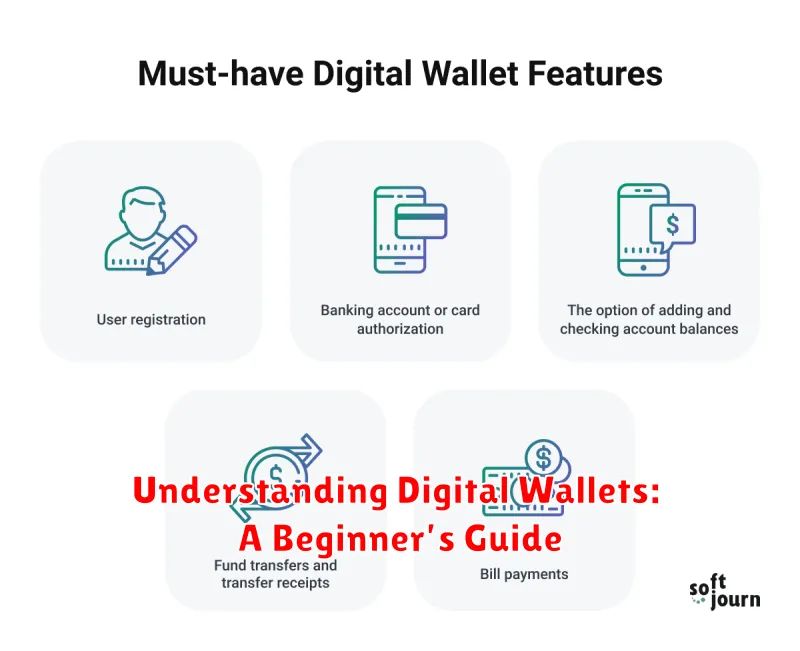
In today’s rapidly evolving digital landscape, digital wallets have become an indispensable tool for managing finances and making transactions. This comprehensive beginner’s guide aims to demystify the concept of digital wallets, providing a clear and concise overview of their functionality, benefits, and security considerations. Whether you’re curious about adopting this technology or seeking to deepen your understanding, this guide will equip you with the essential knowledge to navigate the world of digital wallets confidently.
This guide explores the various types of digital wallets, including closed, semi-closed, and open wallets, highlighting their distinct features and use cases. We’ll delve into the advantages of using digital wallets, such as enhanced security, streamlined transactions, and increased convenience. Furthermore, we’ll address common concerns surrounding the security of digital wallets, providing practical tips for safeguarding your financial information and mitigating potential risks. From understanding the underlying technology to making informed decisions about selecting the right digital wallet for your needs, this guide is your gateway to mastering the world of digital payments.
What is a Digital Wallet?
A digital wallet, also known as an e-wallet, is a software-based system that securely stores users’ payment information and passwords for numerous payment methods and websites. Digital wallets can be used on computers, tablets, and smartphones.
Instead of physically carrying credit cards, debit cards, or cash, users can use a digital wallet to make electronic transactions. Digital wallets store payment card information such as card numbers, expiration dates, and CVV codes. They can also store loyalty program information, gift cards, driver’s licenses, digital tickets, and other important identification documents.
Security is a primary focus of digital wallets. They typically employ encryption and other security measures to protect user data from unauthorized access.
Advantages of Using Digital Wallets
Digital wallets offer a range of benefits that make transactions more convenient and secure. One key advantage is enhanced security. Features like tokenization and biometric authentication help protect your financial information.
Speed and efficiency are also major pluses. Transactions are often faster with digital wallets compared to traditional payment methods. This is particularly beneficial for contactless payments.
Finally, digital wallets offer greater flexibility. You can store multiple payment cards and loyalty programs in one place, streamlining your checkout process.
Security Measures in Digital Wallets
Digital wallets employ several security measures to protect user data and funds. Multi-factor authentication adds layers of security beyond just passwords. This might include biometric scans like fingerprints or facial recognition, or one-time codes sent to your phone.
Encryption plays a vital role. Data is encrypted both in transit and at rest, making it unreadable to unauthorized parties. Tokenization replaces sensitive card details with unique tokens, further reducing the risk of compromise if a breach occurs.
Many wallets also feature transaction monitoring to detect suspicious activity. Users are often alerted of unusual transactions and can take action to freeze their accounts if necessary.
Popular Digital Wallets Worldwide
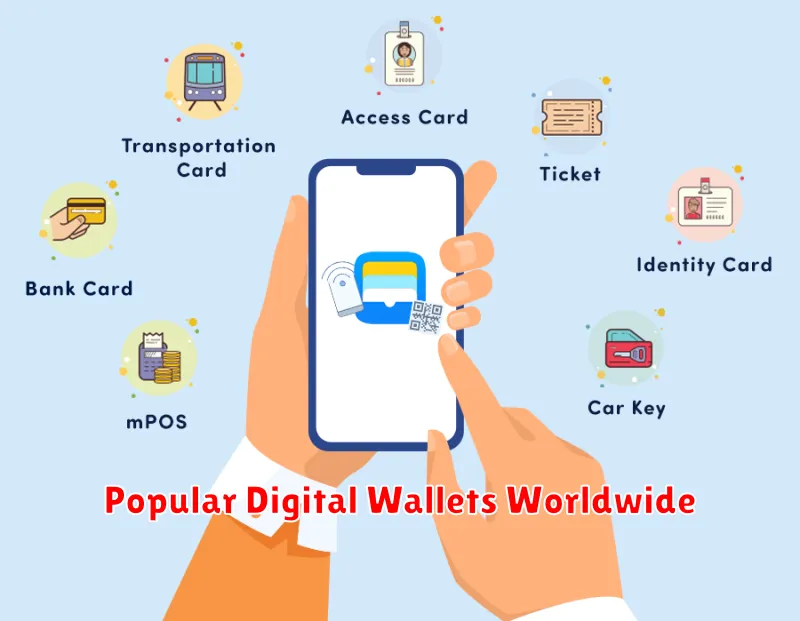
Several digital wallets have gained significant traction globally, offering diverse features and functionalities. Understanding their prevalence can help users choose the best option for their needs.
In North America, Apple Pay and Google Pay are dominant players, leveraging the widespread use of smartphones. PayPal also maintains a strong presence as a versatile online payment platform.
Across Asia, Alipay and WeChat Pay are particularly popular, driven by the extensive mobile payment ecosystems in China. Other prominent wallets include Paytm in India and GrabPay in Southeast Asia.
Future of Digital Wallets
The future of digital wallets is poised for significant growth and evolution. Several key trends are shaping this future, including increased integration with other technologies.
Biometric authentication and enhanced security measures will become even more prevalent, bolstering user trust and further reducing reliance on physical cards.
Expansion into new markets, particularly developing economies with high mobile penetration rates, is also anticipated. This growth will be driven by the increasing accessibility of smartphones and the demand for more convenient and secure payment options.
