
In today’s increasingly digital world, safeguarding your digital banking information is paramount. From online shopping and bill payments to managing investments and transferring funds, our financial lives are intricately intertwined with online platforms. This reliance on digital banking brings convenience, but also exposes us to potential risks, including fraud, identity theft, and data breaches. Understanding these risks and taking proactive steps to protect your sensitive financial information is essential for maintaining your financial security and peace of mind.
This article will provide you with practical guidance on how to safeguard your digital banking information effectively. We will explore key security measures, including creating strong passwords, recognizing and avoiding phishing scams, utilizing multi-factor authentication, and regularly monitoring your accounts for suspicious activity. By implementing these strategies, you can significantly reduce your vulnerability to cyber threats and secure your digital banking activities. Protecting your financial data is a shared responsibility, and by taking proactive steps, you can play a crucial role in safeguarding yourself from potential harm.
Password Management Techniques
Strong passwords are the first line of defense against unauthorized access. Employ a mix of uppercase and lowercase letters, numbers, and symbols. Aim for a minimum length of 12 characters.
Avoid using easily guessable information like birthdays or pet names. Never reuse passwords across different accounts. If one site is compromised, all your accounts using that password become vulnerable.
Consider using a password manager. These tools generate and securely store complex passwords, simplifying the login process while enhancing security.
Utilizing Secure Connections
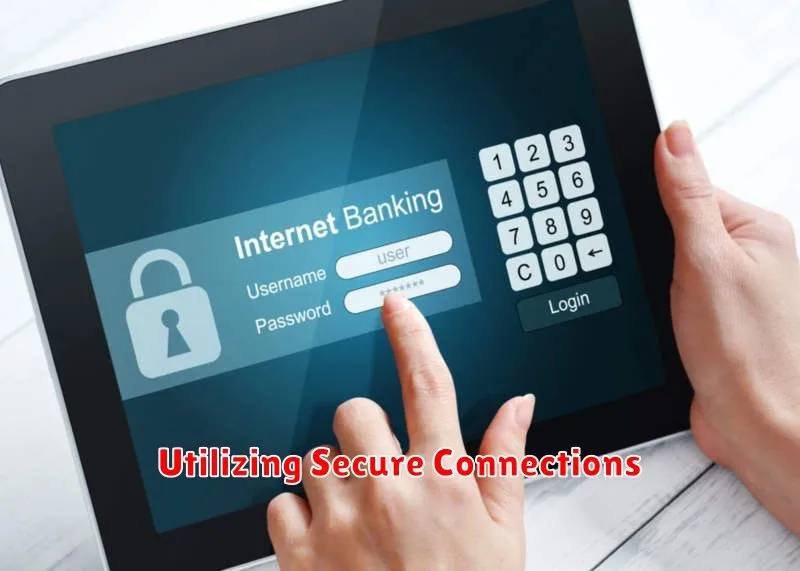
Protecting your sensitive banking information starts with ensuring you’re using secure connections. Always look for the lock icon in the address bar of your browser. This icon indicates a secure HTTPS connection, signifying that data transmitted between your device and the bank’s server is encrypted.
Avoid accessing your online banking accounts on public Wi-Fi networks. These networks often lack adequate security measures and can expose your data to potential threats. Opt for a trusted network whenever possible, such as your home or mobile network.
Awareness of Social Engineering Attacks
Social engineering attacks manipulate individuals into divulging sensitive information, often exploiting human psychology rather than technical vulnerabilities. Awareness of these tactics is the first line of defense against them.
Attackers may impersonate legitimate entities like bank personnel or tech support, using phishing emails, smishing texts, or vishing calls to trick you into revealing credentials or installing malware.
Be wary of unsolicited requests for personal information. Verify the source independently before responding to any suspicious communication. Never click on links or open attachments from untrusted sources.
Regular Security Updates
Staying current with security updates is paramount for protecting your digital banking information. This includes updates for your operating system, internet browser, antivirus software, and any banking apps you use.
These updates often contain critical patches that address newly discovered vulnerabilities. Failing to update your software leaves your devices susceptible to malware and attacks that can compromise your sensitive financial data.
Enable automatic updates whenever possible to ensure timely protection. Regularly check for updates manually if the automatic option isn’t available.
Immediate Steps After Security Breaches
Discovering a security breach involving your digital banking information requires swift action. Change your passwords immediately for all affected accounts, including your online banking platform, email, and social media. Contact your bank and report the incident to their fraud department. They can guide you through necessary steps and potentially freeze your accounts to prevent further unauthorized access.
Review your recent transactions for any suspicious activity and report them to your bank. Monitor your credit reports closely for any unfamiliar accounts or inquiries, which could indicate identity theft. Filing a police report is also a crucial step in documenting the breach and protecting yourself from further harm.
