
In today’s fast-paced digital world, consumers and businesses alike demand instant gratification. This need for speed extends to financial transactions, making real-time payments a game-changer in digital banking. Real-time payments, also known as instant payments, offer immediate transfer of funds between accounts, 24/7. This transformative technology is revolutionizing the way we manage our finances, providing significant benefits over traditional payment methods. This article will explore the numerous advantages of real-time payments in digital banking, highlighting how they enhance efficiency, improve cash flow, and empower both consumers and businesses.
From eliminating delays to enhancing security and fostering innovation, the benefits of real-time payments are multifaceted. They offer a significant competitive advantage for financial institutions seeking to meet evolving customer expectations within the dynamic landscape of digital banking. By facilitating seamless transactions and providing greater control over funds, real-time payments empower individuals and businesses to operate more efficiently and strategically in the modern economy. Discover how embracing this cutting-edge technology can transform your financial experience and propel your business forward.
Instant Transaction Processing
Real-time payments facilitate instantaneous transaction processing. This means that funds are transferred and available to the recipient immediately, eliminating the delays associated with traditional payment methods.
This speed is crucial for time-sensitive transactions, such as paying bills at the last minute or transferring funds urgently. Businesses benefit from immediate access to funds, improving cash flow management and enabling faster turnaround times.
Improved Cash Flow Management

Real-time payments offer significant advantages for businesses seeking to optimize their cash flow. The immediate availability of funds allows for greater control over outgoing and incoming payments.
This predictability helps businesses accurately forecast balances and make more informed financial decisions. Businesses can avoid late payment penalties and leverage available funds more effectively.
Real-time payments also facilitate faster reconciliation, simplifying accounting processes and providing a clearer picture of financial standing. This streamlined approach contributes to more efficient financial operations.
Enhanced Customer Satisfaction
Real-time payments significantly enhance customer satisfaction by offering a seamless and efficient payment experience. The immediacy of these transactions eliminates the waiting periods associated with traditional payment methods, providing customers with instant gratification and reducing anxiety related to payment processing times.
This improved speed and efficiency translates to a more positive overall customer experience, fostering greater trust in the digital banking platform. Customers value the control and transparency offered by real-time payments, leading to increased engagement and loyalty.
Reducing Payment Errors
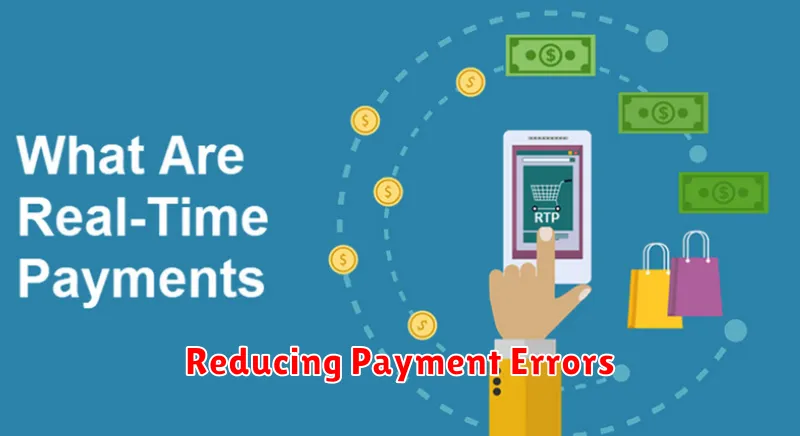
Real-time payments significantly reduce the likelihood of payment errors. Automated processing minimizes manual intervention, a major source of mistakes. Immediate confirmation allows both sender and recipient to identify and rectify discrepancies quickly.
Furthermore, clear digital records associated with real-time transactions make it easier to track payments and investigate any issues that may arise. This transparency leads to improved reconciliation and less time spent correcting errors.
Global Real-Time Payment Systems
Several countries have pioneered and successfully implemented real-time payment systems. These systems offer a glimpse into the future of global commerce and provide valuable lessons for other nations developing their own infrastructure. Understanding these established systems is key to appreciating the potential benefits and challenges of widespread real-time payment adoption.
Examples of prominent global real-time payment systems include the UK’s Faster Payments Service (FPS), India’s Unified Payments Interface (UPI), and the Real-Time Gross Settlement (RTGS) systems used in various countries.
These systems vary in their technical specifications, but they share the common goal of facilitating instantaneous or near-instantaneous transfer of funds between accounts, 24/7.
