
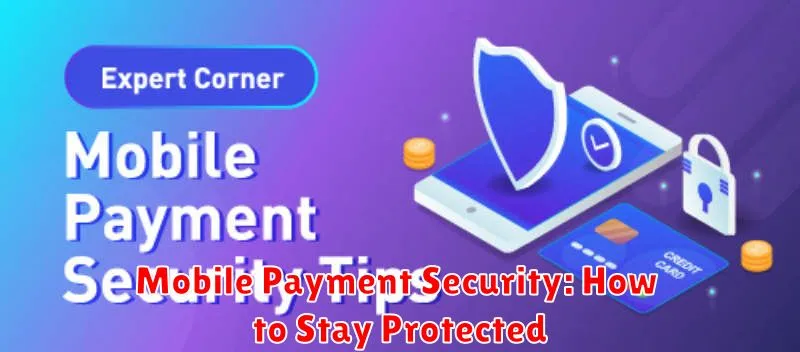
In today’s increasingly digital world, mobile payments have become an integral part of our daily lives. From contactless transactions at checkout counters to online shopping and peer-to-peer transfers, the convenience of paying with our smartphones is undeniable. However, this convenience comes with inherent security risks. Understanding these risks and adopting appropriate security measures is crucial to protect your financial information and prevent fraud. This article will delve into the essential aspects of mobile payment security, providing you with practical tips and strategies to keep your transactions safe and secure.
Mobile payment security encompasses a range of safeguards designed to protect your sensitive data during transactions. These safeguards address potential vulnerabilities in various mobile payment methods, including Near Field Communication (NFC) payments, mobile wallets, and in-app purchases. We will explore common mobile payment threats, such as phishing, malware, and data breaches, and discuss how you can mitigate these risks through strong passwords, device security, and vigilance in monitoring your accounts. By implementing the recommendations outlined in this article, you can confidently embrace the benefits of mobile payments while safeguarding your financial well-being.
Common Mobile Payment Risks
Loss or Theft: Losing your device can expose your mobile payment information if not properly secured.
Malware: Harmful software can steal your payment credentials or intercept transactions.
Phishing: Fraudulent attempts to trick you into revealing sensitive information like passwords or PINs.
Unsecured Wi-Fi Networks: Using public Wi-Fi without proper security measures can leave your data vulnerable to interception.
Weak Passwords/PINs: Easy-to-guess passwords and PINs make it easier for unauthorized access to your mobile payment apps.
Using Secure Networks
Avoid public Wi-Fi when making mobile payments. These networks are often unsecured, making your data vulnerable to interception by hackers. Opt for your mobile carrier’s data network or a trusted, password-protected Wi-Fi connection.
Verify the security of the network you’re using. Look for HTTPS in the website address when making payments online. This indicates a secure, encrypted connection.
Consider using a virtual private network (VPN) for an added layer of security, especially when using public Wi-Fi. A VPN encrypts your internet traffic, making it more difficult for hackers to steal your information.
Two-Factor Authentication
Two-factor authentication (2FA) adds an extra layer of security to your mobile payment accounts. It requires not only your password but also a second verification method to confirm your identity.
This second factor commonly comes in several forms, such as a unique code sent to your registered mobile device via text message or generated by an authenticator app, or a biometric verification like fingerprint or facial recognition.
By requiring two distinct factors, 2FA makes it significantly more difficult for unauthorized individuals to access your account even if they somehow obtain your password. Enabling 2FA is highly recommended for all mobile payment services to enhance your security.
Keeping Your Devices Safe
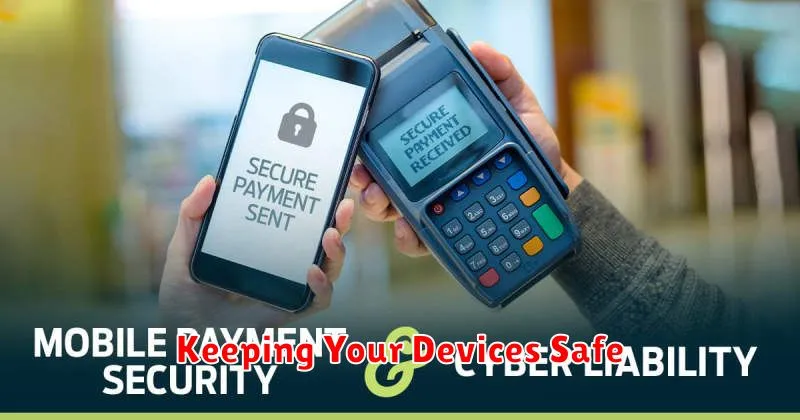
Securing your devices is the first line of defense against mobile payment fraud. Strong passwords are essential, and enabling two-factor authentication adds another layer of protection. Ensure your device’s operating system and apps are always up-to-date to patch known security vulnerabilities.
Be wary of connecting to public Wi-Fi networks, as these can be susceptible to hacking. If you must use public Wi-Fi, consider using a virtual private network (VPN) for added security.
Regularly review the apps you have installed and remove any that you no longer use or trust. Be cautious about granting apps extensive permissions, and only download apps from official app stores.
Best Practices for Safe Transactions
Staying safe while using mobile payment methods requires vigilance and adherence to security best practices. Always verify the recipient and the transaction amount before confirming any payment.
Protect your device with a strong passcode, PIN, or biometric lock. Regularly update your mobile operating system and payment apps to patch security vulnerabilities.
Avoid using public Wi-Fi for transactions as these networks can be insecure. If public Wi-Fi is unavoidable, consider using a virtual private network (VPN) for added security.
Monitor your accounts regularly for any unauthorized activity. If you notice anything suspicious, immediately contact your financial institution.
