
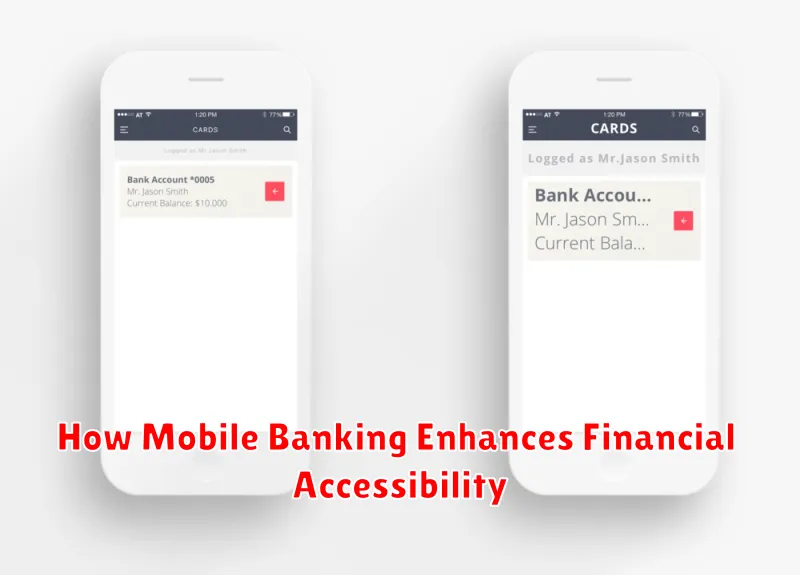
In today’s rapidly evolving digital landscape, mobile banking has emerged as a transformative force, revolutionizing how we interact with our finances. It provides unparalleled financial accessibility, bridging the gap between traditional banking services and underserved populations. This article explores the profound impact of mobile banking on expanding financial inclusion and empowering individuals with convenient and secure access to financial services, regardless of their location or socioeconomic status. We’ll delve into how this technology empowers individuals to manage their money, make payments, and access a wider range of financial products, ultimately fostering greater financial independence.
From basic transactions like checking balances and transferring funds to more complex activities such as applying for loans and investing, mobile banking offers a comprehensive suite of financial services at one’s fingertips. The convenience and accessibility it offers are particularly significant for those in underserved communities, including rural areas and developing countries, where traditional banking infrastructure may be limited. This article examines the key ways in which mobile banking enhances financial accessibility, paving the way for greater economic empowerment and financial inclusion on a global scale. Discover how this transformative technology is reshaping the financial landscape and creating opportunities for individuals to participate more fully in the formal financial system.
Reaching Underserved Populations
Mobile banking has emerged as a powerful tool for reaching underserved populations, particularly those in rural areas and low-income communities. Traditional banking infrastructure can be costly and difficult to establish in these regions, creating significant barriers to accessing financial services.
Mobile phones, however, offer a readily available and cost-effective platform for delivering financial services. Individuals can access a range of services through mobile banking applications, including account opening, deposits, withdrawals, money transfers, and bill payments, even without a physical branch. This significantly reduces the geographic barriers that traditionally limited access to formal financial systems.
This increased access can empower individuals, fostering financial inclusion and promoting economic growth within underserved communities.
Convenience of Mobile Transactions
Mobile banking offers unparalleled convenience when it comes to managing finances. Anytime, anywhere access eliminates the need for physical bank branches and significantly reduces reliance on traditional banking hours.
This 24/7 availability empowers users to conduct transactions on their own schedule, whether it’s paying bills at midnight or transferring funds during a lunch break. The ease and speed of mobile transactions contribute significantly to increased financial flexibility and control.
Cost Efficiency of Mobile Banking
Mobile banking offers significant cost advantages over traditional banking. Eliminating the need for physical branches and reducing reliance on paper transactions significantly lowers operational costs for banks. These savings can then be passed on to consumers through lower fees and better interest rates.
For customers, mobile banking reduces expenses associated with traveling to branches, such as transportation and parking. It also minimizes the costs of paper checks, envelopes, and postage. Furthermore, readily available account balance information and budgeting tools can help users avoid overdraft fees and make more informed financial decisions.
Security Considerations in Mobile Banking
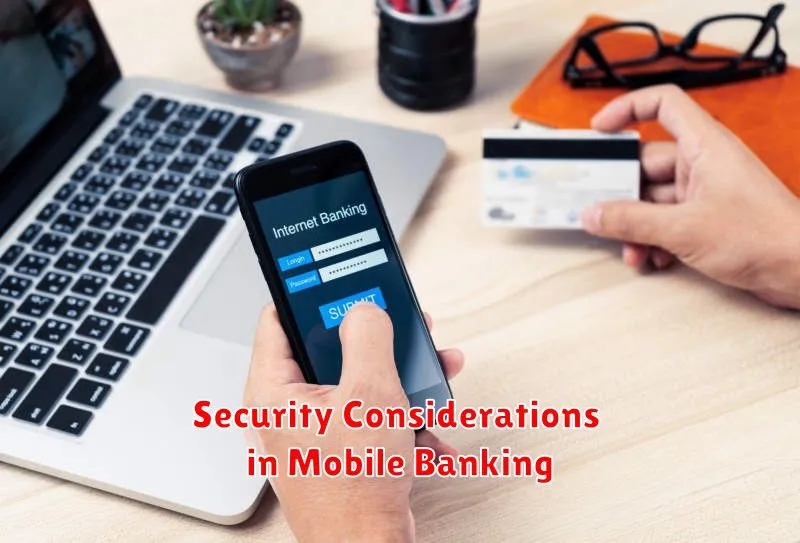
While mobile banking offers enhanced accessibility, users must be aware of potential security risks. Strong passwords are crucial, along with enabling two-factor authentication wherever possible. Avoid using public Wi-Fi for transactions, as these networks can be vulnerable to interception.
Be wary of phishing scams. Legitimate banks will never request sensitive information like passwords or PINs via text or email. Regularly review your account statements for any unauthorized activity and report suspicious transactions immediately.
Ensure your device’s operating system and banking app are up-to-date with the latest security patches. Installing reputable antivirus software on your device can also provide an additional layer of protection.
Future Potential of Mobile Banking
Mobile banking’s future promises even greater financial inclusion and innovation. Advancements like wider integration of biometric security, including facial and voice recognition, will further enhance security and accessibility.
The expansion of AI-powered personalized financial management tools will empower users to better manage their finances. Furthermore, the increasing prevalence of open banking, enabling seamless data sharing between financial institutions, will foster greater competition and tailored financial products.
Blockchain technology also holds significant potential to revolutionize mobile banking through increased transparency and security in transactions, particularly for international remittances.
