
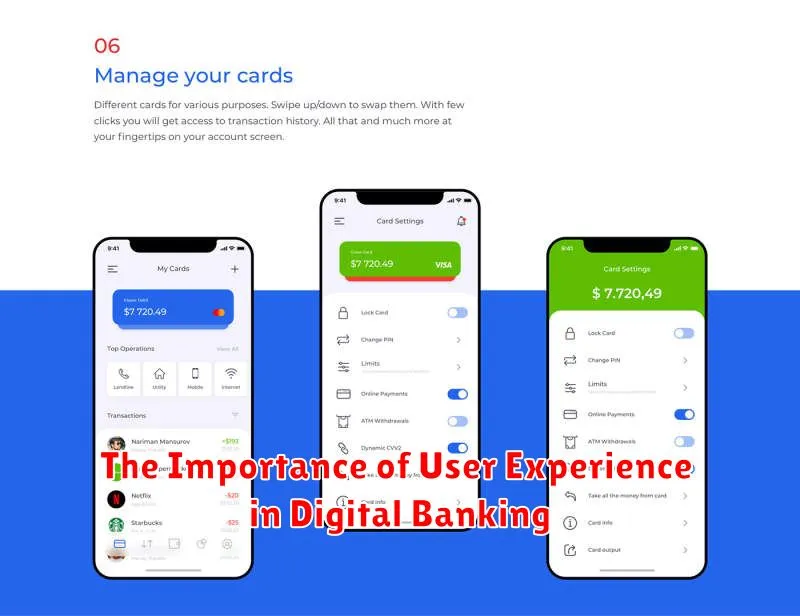
In today’s rapidly evolving digital landscape, the user experience (UX) has become a critical differentiator for digital banking platforms. Customers expect seamless, intuitive, and personalized interactions when managing their finances online. A positive user experience can foster customer loyalty, drive engagement, and ultimately contribute to the success of a digital banking platform. This article explores the importance of user experience in digital banking and how financial institutions can leverage UX to meet the evolving needs of their customers. From streamlined navigation and personalized financial insights to robust security measures and efficient customer support, UX encompasses every aspect of the customer journey within the digital banking ecosystem.
Investing in a well-designed user experience is no longer a luxury, but a necessity for digital banking institutions. A poor UX can lead to customer frustration, churn, and negative brand perception. Conversely, a strong UX can enhance customer satisfaction, increase adoption rates of new features, and drive business growth. This article will delve into the key elements of effective UX design in digital banking, including user interface (UI) design, accessibility, personalization, and security. By understanding and prioritizing these elements, digital banking platforms can create a compelling and valuable experience for their customers, ultimately strengthening their competitive advantage in the marketplace.
Why User Experience Matters
In the competitive landscape of digital banking, a positive user experience (UX) is paramount to success. It directly influences customer satisfaction, retention, and ultimately, the bottom line.
A seamless and intuitive UX fosters trust and loyalty. Customers are more likely to continue using a platform that is easy to navigate, understand, and enjoy. This translates into increased engagement and a higher likelihood of recommending the service to others.
Conversely, a poor UX can lead to frustration and abandonment. Customers faced with confusing interfaces, complex processes, or technical difficulties are likely to switch to competitors who offer a more user-friendly experience.
Intuitive Interface and Navigation
In the realm of digital banking, an intuitive interface and seamless navigation are paramount. Users should be able to easily access the features they need without encountering unnecessary complexity. A well-designed interface minimizes the user’s cognitive load, allowing them to complete tasks efficiently and effectively.
Key elements of intuitive navigation include clear labeling, logical information architecture, and prominent search functionality. Users should be able to predict where to find specific features and intuitively understand the purpose of each element on the screen. This streamlined experience fosters user satisfaction and encourages continued engagement with the platform.
Personalization of Banking Services
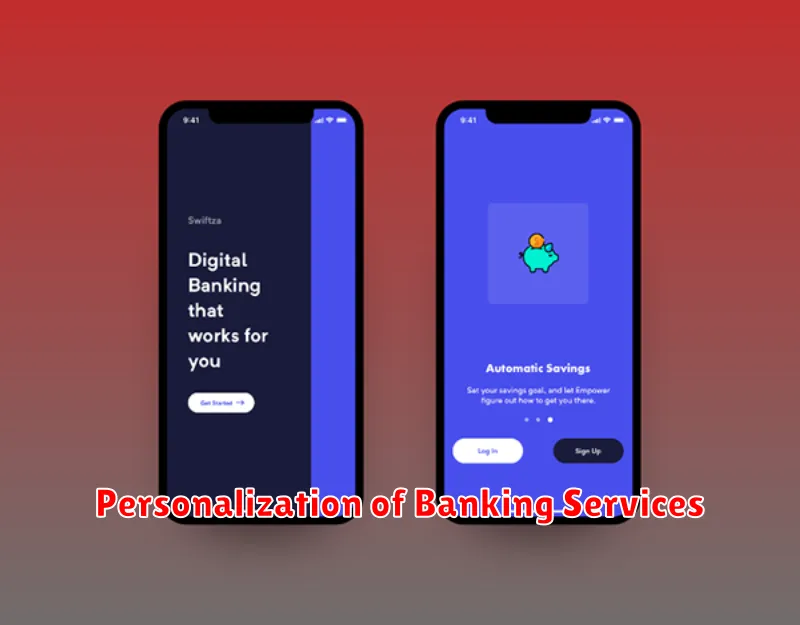
In the digital age, customers expect personalized experiences. This is especially true in banking, where users interact with sensitive financial data and require tailored services. Personalization enhances user experience by catering to individual needs and preferences.
Data analysis plays a crucial role in understanding customer behavior and segmenting users based on demographics, financial goals, and transaction history. This data allows banks to offer customized product recommendations, personalized financial advice, and targeted marketing campaigns.
By offering a personalized banking experience, institutions can increase customer engagement, improve customer satisfaction, and ultimately drive revenue growth.
Feedback Mechanisms and Customer Engagement
Effective feedback mechanisms are crucial for understanding user experience in digital banking. They provide valuable insights into customer needs and pain points, allowing institutions to improve their services and offerings.
Actively soliciting feedback through surveys, in-app prompts, and dedicated feedback forms helps foster a sense of community and engagement. Analyzing this data can reveal areas for improvement in the user interface, transaction flow, and overall customer journey. Furthermore, promptly addressing customer feedback demonstrates a commitment to customer satisfaction and builds trust.
Case Studies of Exceptional UX in Digital Banking

Examining successful UX implementations provides valuable insights. Bank A streamlined their mobile onboarding process, reducing steps from 12 to 5. This resulted in a 30% increase in successful account creations.
Bank B implemented personalized financial management tools within their app. By analyzing user spending habits and offering tailored advice, they saw a 15% increase in customer engagement and a 10% reduction in customer churn.
These case studies highlight the positive impact of prioritizing UX. Simple changes, focused on user needs, can yield significant improvements in key metrics.
