

The future of mobile payments is rapidly evolving, transforming how we conduct transactions in an increasingly digital world. From contactless payments and in-app purchases to peer-to-peer (P2P) transfers and digital wallets, mobile payment technology has become an integral part of modern commerce. This article will delve into the exciting advancements shaping the landscape of mobile payments, exploring key trends, innovations, and the potential impact on consumers and businesses alike. Understanding the future of mobile payments is crucial for navigating the ever-changing financial landscape and harnessing the power of this transformative technology.
This exploration will cover a range of crucial aspects related to the future of mobile payments. We will analyze emerging technologies like biometric authentication, blockchain integration, and the rise of super-apps, while also considering the crucial role of security and regulatory frameworks in shaping the future of this dynamic field. Furthermore, we will examine the potential impact of mobile payments on various sectors, including retail, banking, and transportation, offering insights into the evolution of mobile payments and the opportunities and challenges that lie ahead. Join us as we explore the mobile payment trends driving the next generation of financial transactions.
Growth of Mobile Payment Adoption
The adoption of mobile payment systems has experienced significant growth in recent years, driven by factors such as increased smartphone penetration, advancements in technology, and changing consumer behavior. This growth is evident across various regions globally, with developing economies often exhibiting faster adoption rates compared to developed nations.
Several factors contribute to this rapid expansion. The convenience and speed of mobile payments are key drivers, allowing users to complete transactions quickly and easily. Enhanced security features, such as biometric authentication, have also boosted consumer confidence. Furthermore, the proliferation of mobile wallets and the integration of payment options into popular apps have streamlined the payment process.
Contactless Payments Explained
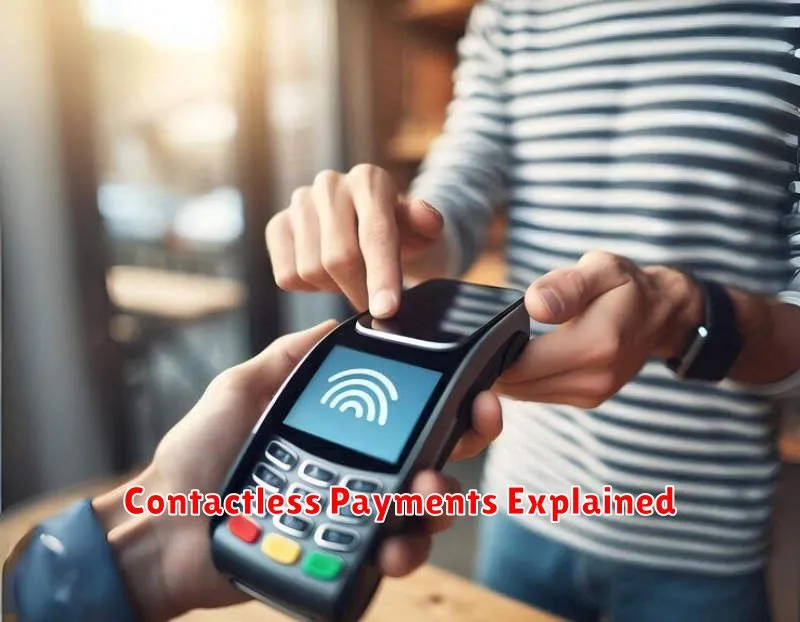
Contactless payments allow consumers to pay for goods and services without physical contact with a payment terminal. This technology utilizes Near-Field Communication (NFC) or radio-frequency identification (RFID) to transmit payment information securely from a contactless-enabled device, such as a smartphone or contactless card, to a compatible point-of-sale terminal.
To make a contactless payment, simply hold your device or card near the payment terminal. A secure connection is established, and the transaction is processed. Contactless payments are typically used for small-value transactions, often with a predetermined spending limit for added security. Authentication methods, such as PIN entry or biometric verification, may be required for larger purchases.
Mobile Payment Security Innovations
Security remains paramount as mobile payments become increasingly ubiquitous. Several innovations are enhancing transaction safety.
Biometric authentication, including fingerprint and facial recognition, adds a robust layer of protection against unauthorized access. Tokenization replaces sensitive card data with unique tokens, minimizing the risk of data breaches. Furthermore, advanced encryption techniques secure data transmission, shielding payment information from interception.
The development of secure enclaves and hardware-based security modules provides a dedicated, isolated environment for sensitive operations, further fortifying mobile payment platforms.
Role of Cryptocurrencies in Mobile Payments
Cryptocurrencies are poised to play a significant role in the future of mobile payments. Their decentralized nature offers the potential for reduced transaction fees and faster processing times compared to traditional payment methods. This is particularly beneficial for international transactions, where traditional systems often impose high fees and experience delays.
Furthermore, cryptocurrencies can facilitate financial inclusion by providing access to financial services for individuals who lack traditional bank accounts. Mobile wallets can easily integrate with cryptocurrency networks, enabling users to send and receive payments globally.
However, challenges remain, including volatility, regulatory uncertainty, and scalability issues. Overcoming these hurdles is crucial for widespread adoption of cryptocurrencies in mobile payments.
Trends Shaping the Future
Several key trends are poised to revolutionize the mobile payment landscape. The rise of biometric authentication offers enhanced security and seamless transaction experiences. Contactless payments, including Near Field Communication (NFC) and QR codes, are gaining widespread adoption, driven by convenience and speed.
Integration with wearable technology, such as smartwatches and fitness trackers, is further blurring the lines between physical and digital wallets. Furthermore, the increasing prevalence of artificial intelligence (AI) and machine learning (ML) is enabling personalized payment experiences and advanced fraud detection.
Finally, the expansion of 5G networks promises faster transaction speeds and improved reliability, paving the way for even more innovative mobile payment solutions.
