
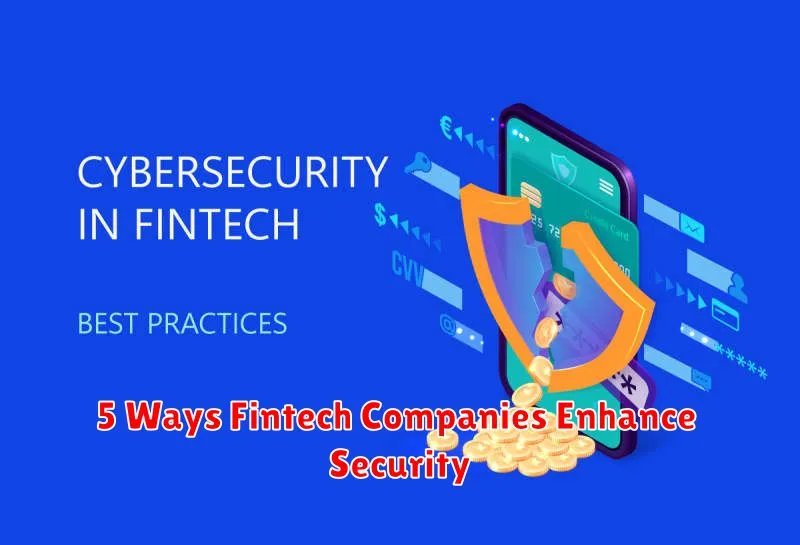
In today’s rapidly evolving digital landscape, financial technology (Fintech) companies play a crucial role in shaping the future of finance. As these companies manage sensitive user data and facilitate complex transactions, security becomes paramount. This article explores five key ways Fintech companies enhance security, safeguarding both user information and the integrity of the financial system. From leveraging cutting-edge technologies like blockchain and artificial intelligence to implementing robust authentication and encryption protocols, Fintech security measures are constantly evolving to combat emerging threats.
The increasing reliance on digital financial services necessitates a deeper understanding of how Fintech companies prioritize security. This article provides valuable insights into the sophisticated methods employed to protect against fraud, data breaches, and other cyber threats. By examining these 5 ways Fintech companies enhance security, readers will gain a comprehensive overview of the crucial role security plays in the Fintech industry and the measures taken to ensure the safety and reliability of digital financial transactions.
Multi-Factor Authentication
Multi-factor authentication (MFA) is a critical security measure employed by fintech companies to add extra layers of protection beyond just usernames and passwords. MFA requires users to provide verification from at least two different factors:
- Something you know: This typically refers to a password or PIN.
- Something you have: This could be a one-time code from an authenticator app or a security token.
- Something you are: This includes biometric authentication like fingerprint or facial recognition.
By requiring multiple factors, MFA makes it significantly more difficult for unauthorized individuals to access accounts, even if they have obtained a user’s password. This added layer of security is essential for protecting sensitive financial information.
Encryption of Sensitive Data
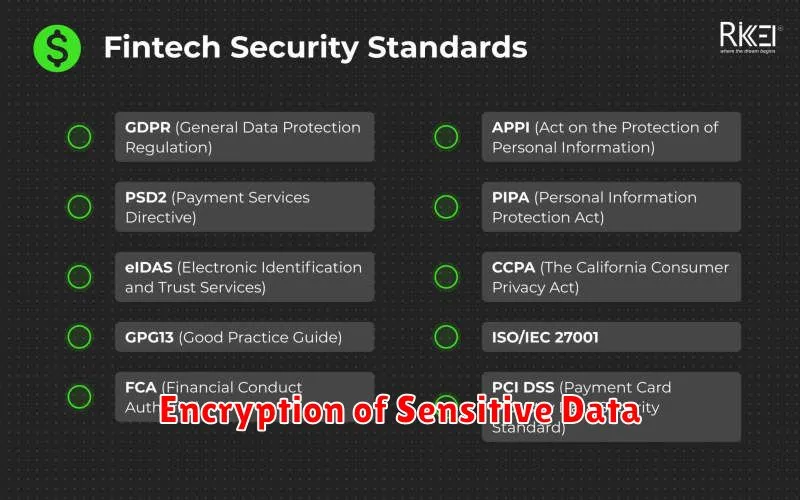
Encryption forms a cornerstone of robust security in Fintech. It transforms sensitive data into an unreadable format, protecting it from unauthorized access. This is crucial for information like bank account details, transaction histories, and personal identifying information (PII). Without proper encryption, this data is vulnerable to theft and misuse.
Different encryption methods are employed, including symmetric-key encryption where the same key encrypts and decrypts data, and asymmetric-key encryption using separate keys for encryption and decryption. Fintech companies often leverage advanced encryption standards (AES) and other robust algorithms to ensure data integrity and confidentiality.
Biometric Verification Systems
Biometric verification adds a robust layer of security to financial transactions. These systems utilize unique biological traits for user authentication. Fingerprint scanning and facial recognition are prominent examples, offering a more secure alternative to traditional passwords.
By requiring a physical characteristic for access, biometric systems greatly reduce the risk of fraud. They make it exceptionally difficult for unauthorized individuals to access sensitive financial data. This enhances both customer trust and the overall security of financial platforms.
Continuous Monitoring and Alerts
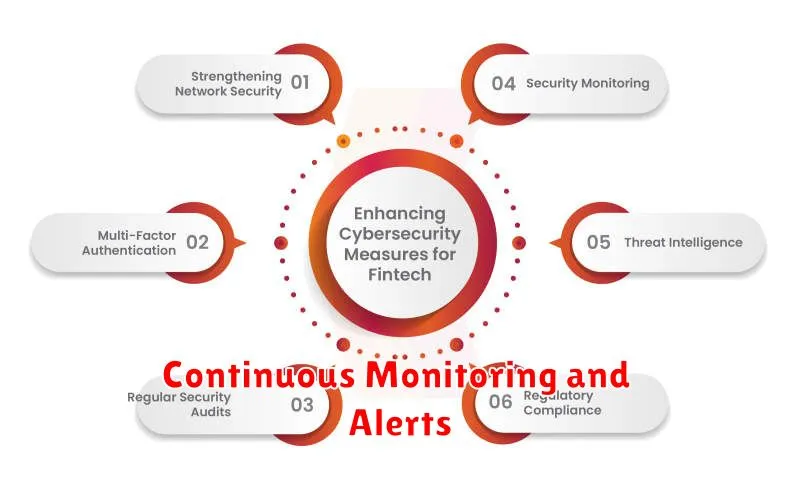
Real-time monitoring of systems and transactions is crucial for detecting and responding to security threats promptly. Fintech companies leverage advanced security information and event management (SIEM) systems to collect and analyze log data from various sources. This allows them to identify suspicious patterns and anomalies that might indicate a security breach.
Automated alerting mechanisms are essential for notifying security teams of potential threats. These alerts can be triggered by predefined rules or by machine learning algorithms that detect unusual behavior. Prompt alerts enable security teams to investigate and mitigate threats before they can cause significant damage.
Educating Users on Security Practices
User education is paramount in maintaining a secure fintech environment. Users are often the weakest link in the security chain, making them prime targets for phishing and social engineering attacks.
Fintech companies can mitigate this risk by providing regular security awareness training. This training should cover topics such as creating strong passwords, identifying phishing scams, and understanding the importance of two-factor authentication.
Clear and concise communication about security updates, best practices, and potential threats is also crucial. This can be achieved through email newsletters, in-app notifications, or short educational videos.
