
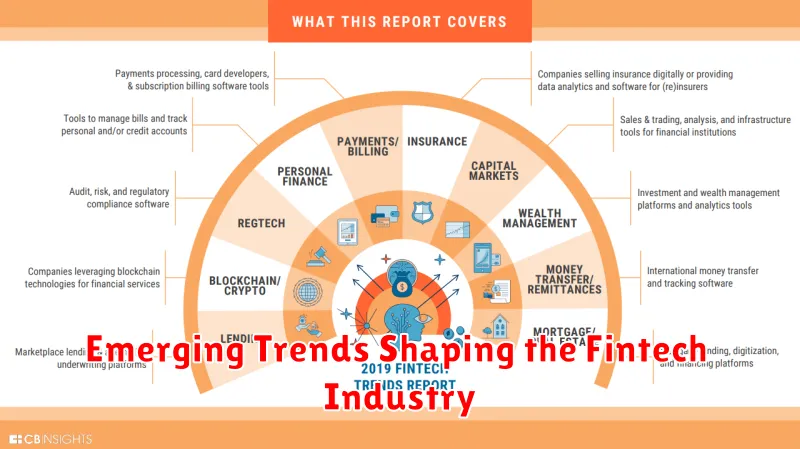
The Fintech industry is in constant flux, with emerging trends continuously reshaping the financial landscape. These trends are driven by evolving consumer demands, technological advancements, and regulatory changes. Understanding these emerging trends in Fintech is crucial for businesses, investors, and individuals alike to navigate the evolving financial ecosystem. From the rise of embedded finance and the growing influence of artificial intelligence (AI) to the increasing adoption of blockchain technology and the focus on enhanced cybersecurity measures, the future of finance is being redefined at an unprecedented pace. This article will delve into the key trends shaping the Fintech industry and explore their potential impact on the future of financial services.
This exploration of emerging Fintech trends will cover topics such as the metaverse and its implications for financial interactions, the evolving landscape of payments and digital currencies, the growth of RegTech and its role in regulatory compliance, and the increasing importance of financial inclusion. By analyzing these key trends, we aim to provide valuable insights into the dynamic forces shaping the future of the Fintech industry and the opportunities and challenges they present. This understanding is essential for staying ahead of the curve and capitalizing on the transformative potential of Fintech in the years to come. Join us as we dissect the emerging trends that are revolutionizing the world of finance.
Artificial Intelligence in Fintech
Artificial intelligence (AI) is rapidly transforming the financial technology (Fintech) landscape. AI algorithms are enabling automation in areas like fraud detection, risk assessment, and customer service. This leads to increased efficiency and cost reduction for businesses.
Personalized financial advice is another key application of AI. Robo-advisors leverage AI to provide tailored investment strategies based on individual risk profiles and financial goals. This democratizes access to financial planning services, making them more accessible to a wider audience.
Furthermore, AI-powered algorithmic trading is gaining traction, allowing for faster and more informed investment decisions. These algorithms analyze vast datasets to identify market trends and execute trades with minimal human intervention.
Blockchain and Decentralized Finance
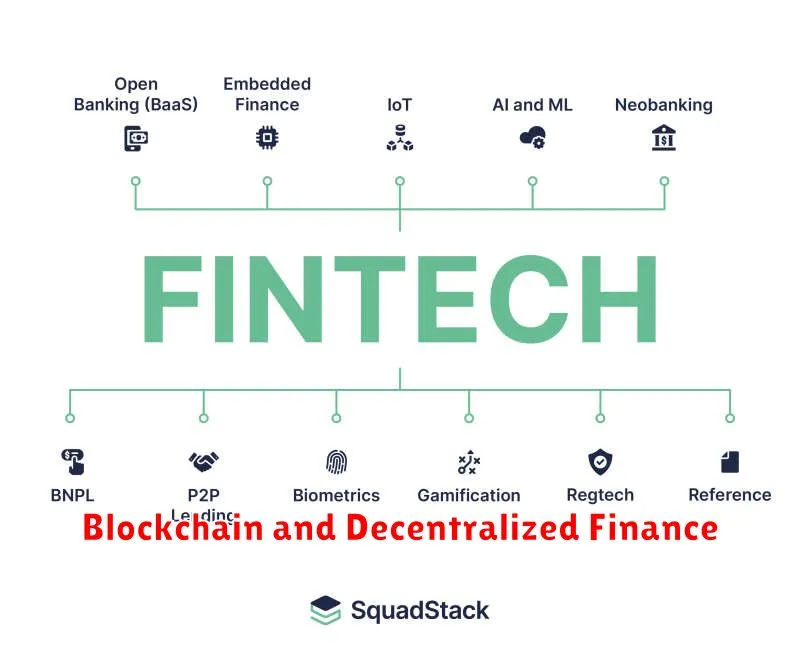
Blockchain technology underpins a significant shift in the financial landscape, giving rise to decentralized finance (DeFi). This technology eliminates the need for traditional intermediaries like banks, enabling peer-to-peer financial transactions.
DeFi applications encompass a broad range of services, including lending, borrowing, and trading of digital assets. Its core principles revolve around transparency, security, and accessibility.
Smart contracts, self-executing agreements written in code, automate and enforce these transactions on the blockchain, enhancing efficiency and reducing counterparty risk. This innovative approach has the potential to reshape traditional financial systems.
Open Banking Revolution
Open banking is dramatically reshaping the financial landscape. It empowers customers by granting them control over their financial data, allowing them to share this information with third-party providers. This fosters competition and innovation within the financial services sector.
Through secure application programming interfaces (APIs), open banking facilitates the development of personalized financial products and services. This includes tailored financial advice, automated budgeting tools, and streamlined account aggregation.
This increased transparency and interoperability are driving significant changes within the industry, pushing traditional institutions to adapt and embrace new technologies.
Sustainable Finance Initiatives

Environmental, Social, and Governance (ESG) considerations are increasingly influencing financial decision-making. Fintech companies are playing a key role in facilitating this shift by developing innovative solutions.
These include platforms for impact investing, tools for measuring and reporting ESG performance, and the development of green financial products. This trend toward sustainable finance is driven by growing investor demand and increasing awareness of the long-term risks and opportunities associated with climate change and social responsibility.
Preparing for the Fintech Future
The rapid evolution of fintech demands proactive preparation from both businesses and individuals. Staying informed about emerging technologies and regulatory changes is crucial. This includes understanding the implications of blockchain, artificial intelligence, and open banking.
Adaptability is key. Businesses must be willing to adjust their strategies and operations to leverage new technologies and meet evolving customer expectations. Individuals should focus on developing skills relevant to the changing financial landscape.
Security remains paramount. As fintech solutions become more complex, so do the potential risks. Robust cybersecurity measures and data privacy protocols are essential for maintaining trust and stability in the evolving fintech ecosystem.
