
Millennials, the digitally native generation, are increasingly turning to digital banks as their preferred financial institutions. These tech-savvy individuals prioritize convenience, accessibility, and innovative features when managing their finances. Digital banks offer a seamless banking experience, allowing millennials to conduct transactions, track spending, and access financial tools anytime, anywhere, directly from their smartphones. This eliminates the need for traditional brick-and-mortar branches and the associated inconveniences, perfectly aligning with the fast-paced, on-the-go lifestyle of this demographic. Factors such as lower fees, personalized financial management tools, and transparent pricing structures further solidify the appeal of digital banks for millennials.
Beyond the convenience and technological advantages, digital banks often offer a wider range of services tailored to the specific needs of millennials. Features like automated savings tools, budgeting apps, and investment platforms empower millennials to take control of their financial future. Furthermore, many digital banks prioritize financial literacy and provide educational resources to help young adults navigate complex financial concepts. The combination of user-friendly technology, personalized services, and a focus on financial wellness makes digital banks an ideal choice for millennials seeking a modern and efficient banking experience.
Attractive Features for Millennials
Digital banks offer a variety of features that are particularly appealing to millennials. These features cater to their tech-savvy nature and desire for convenient, accessible banking solutions. Mobile-first banking is a cornerstone, providing account access and transaction management from anywhere. This aligns perfectly with the millennial lifestyle, which is heavily reliant on smartphones.
Low or no fees are another significant draw. Traditional banks often have monthly maintenance fees, overdraft charges, and other costs that can quickly add up. Digital banks frequently waive these fees, making them a more cost-effective option for millennials who are often budget-conscious.
Innovative features like budgeting tools, spending trackers, and real-time notifications also contribute to the appeal. These tools empower millennials to take control of their finances and make informed decisions about their spending habits.
Personalized Financial Management

Digital banks excel at providing personalized financial management tools. These tools empower millennials to take control of their finances through features like budgeting apps, spending trackers, and personalized financial advice.
These platforms often categorize spending, allowing users to easily identify areas where they can save. Some even offer automated savings features, allowing users to effortlessly set aside funds towards specific goals.
This level of personalization is often unavailable with traditional banks and caters directly to the millennial desire for convenient and efficient financial management.
Convenience and Flexibility
Digital banks offer unparalleled convenience and flexibility, perfectly aligning with the fast-paced millennial lifestyle. 24/7 access to accounts through mobile apps eliminates the need for physical branches and traditional banking hours. This allows millennials to manage their finances anytime, anywhere, whether it’s checking balances, transferring funds, or paying bills.
This on-demand banking experience provides a level of control and immediacy that traditional banks often lack. The ability to instantly freeze a debit card after misplacing it, set up automatic savings transfers, or receive real-time spending notifications empowers millennials to manage their finances proactively and efficiently.
Transparency in Digital Banking
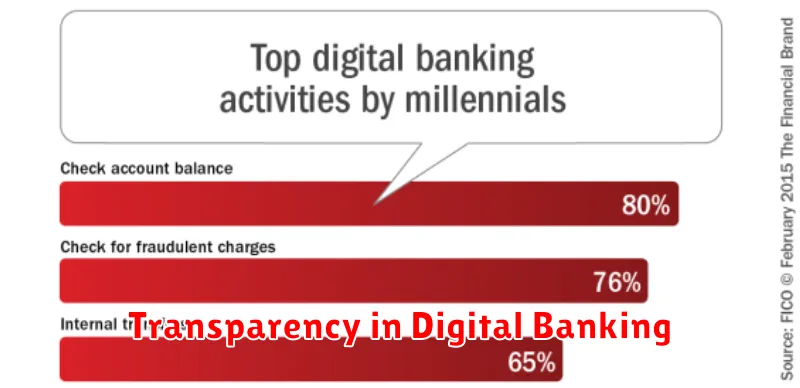
Millennials value transparency, and digital banks excel in this area. Real-time transaction tracking eliminates the mystery of where money goes.
Clear fee structures, often with no hidden charges, are a hallmark of digital banking. This contrasts sharply with traditional banks where fees can be complex and difficult to understand.
Digital banks typically provide easy-to-access spending analyses, empowering users to understand their financial habits and make informed decisions. These features contribute to a sense of control and trust, essential factors for the millennial generation.
Millennials Shaping the Future of Banking
Millennials, the digitally native generation, are significantly influencing the evolution of financial services. Their preferences and expectations are driving the shift towards digital banking solutions.
This generation values convenience and accessibility above all else. Traditional banking, with its physical branches and limited operating hours, doesn’t align with their fast-paced, on-demand lifestyle.
Millennials are also more tech-savvy than previous generations. They embrace mobile banking, online transactions, and innovative financial technologies.
Their demand for personalized experiences and transparent fee structures is pushing traditional institutions to adapt and innovate. This generation’s influence is shaping a future of banking that is increasingly digital, personalized, and accessible.
