

Digital banking is rapidly transforming the financial landscape, offering unprecedented opportunities to expand financial inclusion globally. Access to financial services, once a significant barrier for marginalized communities, is becoming increasingly attainable through digital channels. This evolution promises to bridge the gap between the financially underserved and the formal financial system. The impact of digital banking extends beyond simple transactions, encompassing crucial aspects such as credit access, savings opportunities, and investment platforms. This potential to empower individuals and communities through digital financial services is driving significant innovation and investment in the sector.
This article examines the profound impact of digital banking on financial inclusion, exploring its multifaceted benefits and the challenges that remain. We will delve into how digital banking is reshaping traditional financial services, enabling wider access to banking services for underserved populations. Furthermore, we will analyze the role of technology, regulation, and innovation in driving financial inclusion through digital platforms. By understanding the potential and limitations of digital banking, we can work towards harnessing its power to foster more inclusive and equitable financial systems worldwide.
Expanding Financial Access
Digital banking has demonstrably broadened financial access, particularly for underserved populations. Traditional banking often requires physical branches, limiting reach in rural areas and imposing costs that can exclude low-income individuals. Digital banking transcends these barriers by offering cost-effective and convenient services accessible through mobile devices.
This increased accessibility fosters greater financial inclusion by enabling previously excluded individuals to participate in the formal financial system. They can now access services like savings accounts, credit facilities, and money transfer services, contributing to economic empowerment and overall development.
Reducing Banking Costs
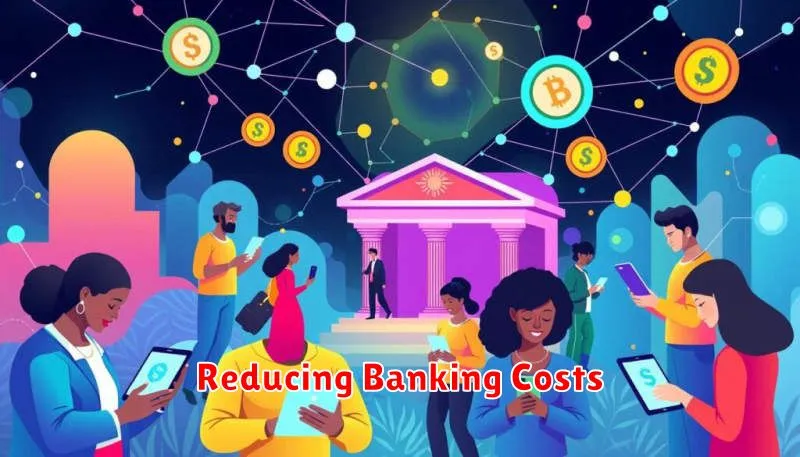
Digital banking significantly reduces operational costs for both banks and customers. Reduced reliance on physical branches translates to lower overhead for banks, including rent, utilities, and staffing. This cost efficiency can be passed on to customers through lower fees and more competitive interest rates.
Eliminating paper-based processes like statement printing and check processing further contributes to cost savings. Digital transactions are inherently cheaper to process than traditional methods. This efficiency benefits underserved populations who are often disproportionately affected by high banking fees.
Enhancing Economic Opportunities
Digital banking significantly contributes to enhancing economic opportunities, particularly for underserved populations. By providing access to formal financial services, individuals can participate more actively in the economy.
Reduced transaction costs associated with digital platforms facilitate small business growth and encourage entrepreneurship. This ease of access to credit and financial management tools empowers individuals to invest in their businesses and expand their operations.
Moreover, the ability to save and accumulate assets digitally fosters financial stability and creates a pathway for future investments. This, in turn, can stimulate economic growth and contribute to greater prosperity.
Challenges in Financial Inclusion
Despite the potential of digital banking to broaden financial inclusion, significant challenges remain. Digital literacy poses a major hurdle, as many individuals lack the skills and knowledge to navigate digital platforms effectively.
Infrastructure limitations, especially in remote areas, restrict access to reliable internet and mobile connectivity, hindering the reach of digital financial services. Affordability of devices and data plans also presents a barrier for low-income populations.
Trust and security concerns are paramount. Individuals may hesitate to use digital platforms due to fears of fraud, data breaches, and lack of understanding of digital security protocols. Building trust in digital financial services is crucial for wider adoption.
Furthermore, regulatory frameworks need to adapt to the evolving digital landscape. Clear guidelines and consumer protection measures are essential to mitigate risks and foster a secure and inclusive digital financial ecosystem.
Future Initiatives
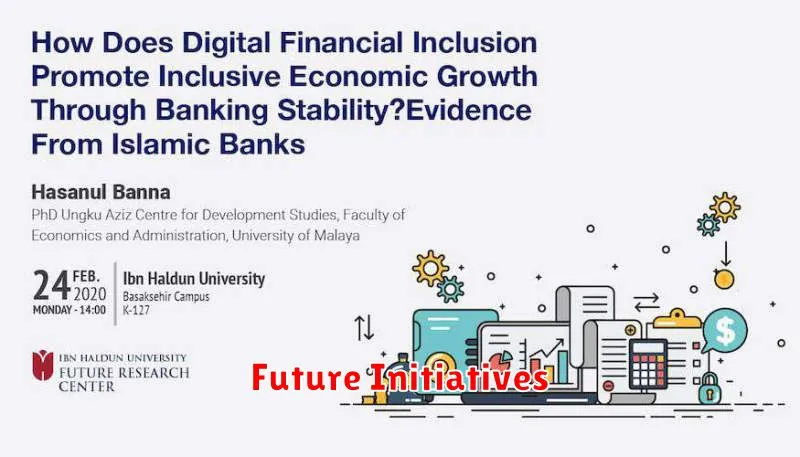
Several initiatives are underway to further expand the impact of digital banking on financial inclusion. Open banking initiatives, promoting data sharing between financial institutions, can facilitate the development of tailored financial products for underserved populations.
Expansion of digital infrastructure, particularly in rural areas, is crucial. This includes increasing internet access and promoting digital literacy. Furthermore, the development of interoperable payment systems can simplify cross-border transactions and reduce costs, benefiting migrant workers and small businesses.
Regulatory frameworks also need to adapt to the evolving digital landscape. This includes striking a balance between fostering innovation and ensuring consumer protection, especially regarding data privacy and security. Collaboration between governments, financial institutions, and fintech companies will be essential to driving these initiatives forward.
