

In today’s rapidly evolving digital landscape, mobile payment solutions have become an indispensable part of global commerce. From contactless transactions to peer-to-peer transfers, the way we exchange money has been fundamentally transformed by these innovative technologies. This article provides a comprehensive comparison of mobile payment solutions worldwide, examining the leading platforms, their features, and the diverse ways they are impacting consumers and businesses across different regions.
Understanding the nuances of mobile payment systems is crucial for businesses seeking to expand their reach and for individuals navigating the increasingly complex world of digital finance. We will delve into the key factors driving the adoption of mobile wallets, the challenges faced by various implementations, and the future trends shaping the global mobile payment landscape. Join us as we explore the competitive landscape of mobile payment solutions and analyze their respective strengths and weaknesses in different markets.
Leading Mobile Payment Platforms
Several mobile payment platforms dominate the global market. These platforms offer diverse features and functionalities, catering to various consumer needs and merchant requirements. Understanding the key players is crucial when comparing mobile payment solutions.
Some of the leading platforms include Apple Pay, leveraging Near Field Communication (NFC) technology for contactless transactions. Google Pay, another prominent player, also utilizes NFC and integrates with various Google services. Samsung Pay provides similar functionality while also incorporating Magnetic Secure Transmission (MST) for wider compatibility with point-of-sale terminals.
Beyond these, regional players like Alipay and WeChat Pay hold significant market share in Asia, offering extensive functionalities beyond payments, such as social networking and e-commerce integration.
Mobile Payment Adoption by Region
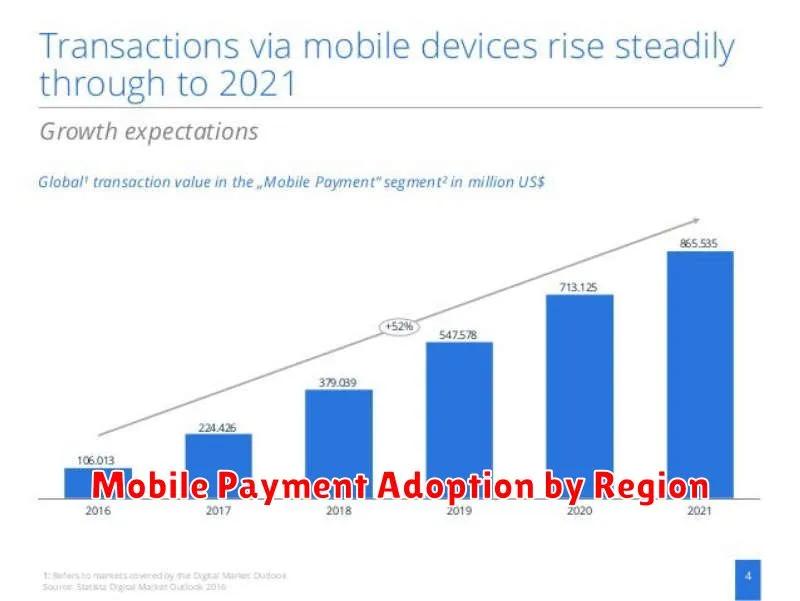
Mobile payment adoption varies significantly across different regions globally. Factors such as existing financial infrastructure, technological advancement, and consumer behavior contribute to these disparities. Regions with high smartphone penetration and limited traditional banking infrastructure often see more rapid mobile payment adoption.
East Asia, particularly countries like China and South Korea, have witnessed widespread mobile payment integration into daily life. In contrast, regions like North America and Europe, with established credit card networks, have seen a more gradual adoption curve. Developing economies in Africa and Southeast Asia are experiencing rapid growth in mobile payments, often leapfrogging traditional banking systems altogether.
Security Features Comparison
Security is a paramount concern when evaluating mobile payment solutions. Different platforms employ varying security measures to protect user data and transactions.
Common security features include:
- Tokenization: Replacing sensitive card details with unique tokens.
- Biometric Authentication: Utilizing fingerprint or facial recognition for transaction authorization.
- Two-Factor Authentication: Adding an extra layer of security by requiring a secondary code.
- Encryption: Protecting data in transit and at rest.
The table below provides a brief overview of security features across different mobile payment platforms. (Note: This table is for illustrative purposes only and does not represent real-world data.)
| Feature | Platform A | Platform B | Platform C |
|---|---|---|---|
| Tokenization | Yes | Yes | Yes |
| Biometric Authentication | Yes | No | Yes |
| Two-Factor Authentication | Yes | Yes | No |
| Encryption | Yes | Yes | Yes |
Transaction Fees and Costs
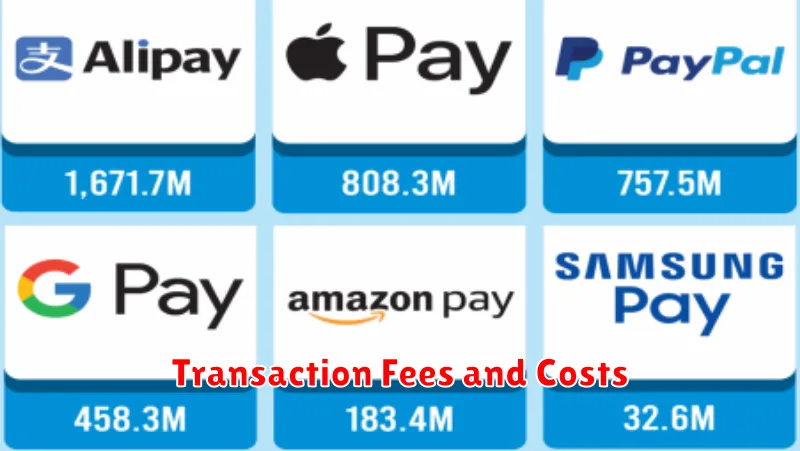
Transaction fees are a critical factor when comparing mobile payment solutions. These fees can vary significantly based on factors such as the payment provider, transaction volume, and the type of transaction (domestic vs. international).
Consumers should be aware of potential charges, which may include:
- Merchant fees: Fees charged to businesses accepting mobile payments.
- Transfer fees: Fees for transferring funds between accounts or withdrawing to a bank account.
- Currency conversion fees: Fees applied to international transactions.
Carefully reviewing the fee structure of each mobile payment platform is essential for both businesses and consumers to minimize costs.
Choosing the Right Mobile Payment App
With a plethora of mobile payment options available globally, selecting the right one can be daunting. Security, acceptance, and features are key factors to consider.
Think about where you typically shop. Some apps are more widely accepted than others, depending on your region. Consider what features are important to you, such as budgeting tools, loyalty programs, or peer-to-peer transfers. Finally, prioritize security. Look for apps with strong encryption and fraud protection measures.
