
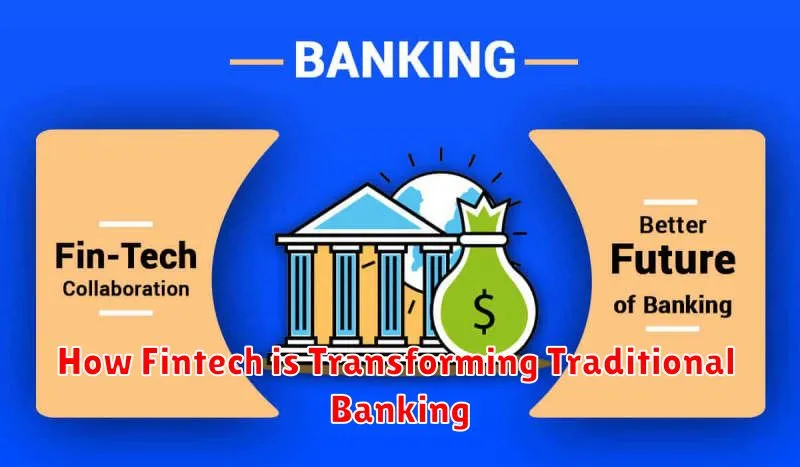
The financial landscape is undergoing a dramatic transformation, fueled by the rapid rise of Fintech. This innovative sector is disrupting traditional banking as we know it, challenging established norms and introducing new ways of managing finances. From mobile payments and online lending to robo-advisors and blockchain technology, Fintech is reshaping how consumers and businesses interact with financial services. Understanding the implications of this shift is crucial for both individuals and institutions navigating the evolving world of finance. This article explores the multifaceted ways Fintech is revolutionizing traditional banking, examining its impact on everything from customer experience to regulatory frameworks.
Fintech’s influence on traditional banking is undeniable, creating both opportunities and challenges for incumbent institutions. This article delves into the key areas where Fintech is making its mark, including payments, lending, investment management, and regulatory compliance. By exploring the specific technologies and business models driving this transformation, we aim to provide a comprehensive overview of the evolving relationship between Fintech and traditional banking. We will analyze the benefits and drawbacks of this disruption, considering the implications for financial stability, consumer protection, and the future of the financial industry as a whole.
The Rise of Fintech Companies
The emergence of Fintech companies marks a significant shift in the financial landscape. Driven by technological advancements and changing consumer demands, these companies offer innovative financial products and services, often at lower costs and with greater accessibility than traditional banking institutions.
Key factors contributing to the rise of Fintech include the increasing prevalence of mobile devices, the growing demand for personalized financial solutions, and the relative ease of establishing a Fintech company compared to a traditional bank. These companies are leveraging technology to streamline processes, automate tasks, and enhance customer experience, ultimately disrupting established financial norms.
Automation in Banking Services
Automation plays a critical role in the transformation of traditional banking. It streamlines operations, reduces costs, and improves the customer experience. Tasks such as account opening, loan processing, and fraud detection are now frequently automated.
This allows financial institutions to allocate resources more efficiently and focus on more complex tasks requiring human intervention. Customers benefit from faster processing times and 24/7 availability of certain services.
Impact on Customer Experience
Fintech’s influence on customer experience within the banking sector is profound. Traditional banking often involves lengthy processes and limited access. Fintech companies, however, leverage technology to offer streamlined services, often available 24/7 via mobile devices.
This shift empowers customers with greater control and convenience. Features like instant money transfers, mobile check deposits, and personalized financial management tools enhance the overall banking experience. Fintech’s focus on user-friendly interfaces and intuitive design further contributes to improved customer satisfaction.
Fintech and Regulatory Challenges
The rapid growth of fintech presents significant challenges for regulators. Balancing innovation with consumer protection is paramount. Traditional regulatory frameworks often struggle to keep pace with the speed of technological advancement.
Key challenges include data privacy, cybersecurity, and anti-money laundering (AML) compliance. The decentralized and often cross-border nature of fintech operations adds complexity to regulatory oversight.
Furthermore, determining the appropriate regulatory classification for novel fintech products and services can be difficult. This uncertainty can stifle innovation and create an uneven playing field.
Future Outlook of Fintech in Banking
The future of fintech in banking promises continued disruption and transformation. Key trends include increased personalization driven by artificial intelligence and machine learning. This translates to more tailored financial advice and product offerings.
Embedded finance will blur the lines between financial services and everyday life, integrating financial tools seamlessly into various platforms. Blockchain technology is poised to further revolutionize areas like payments and security, enhancing efficiency and transparency.
The rise of decentralized finance (DeFi) presents both opportunities and challenges, potentially reshaping traditional financial structures with innovative solutions. Overall, the fintech landscape anticipates greater collaboration between traditional banks and fintech companies, leading to a hybrid model that leverages the strengths of both.
